


When model photos start moving: what AI video changes in adult galleries
Posted in AI | 141 views
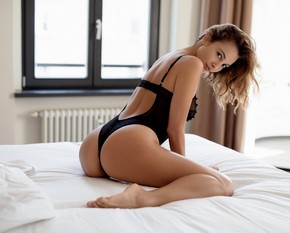
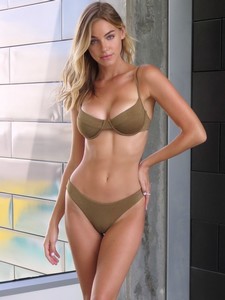
Model galleries have traditionally been built around still photography. A set might contain portraits, studio shots, candid-style images, or promotional material, with each frame capturing a deliberate moment. AI video changes that familiar relationship between photograph and motion. A single model image can now become the basis for a short generated clip, even when no corresponding video shoot took place. For viewers, that creates a new distinction between recorded performance and synthetic movement. For models, it raises questions about attribution, likeness, and whether a still image was ever intended to become moving adult content.
A photograph and a generated clip are different records
A photograph proves that a particular image exists. It does not prove that the person performed the actions later added through software. An ai sex video generator represents the broader category of tools capable of turning static visual material into synthetic motion, so model galleries can no longer treat every moving asset as evidence of a video shoot. If a clip was generated, that distinction should remain visible in its caption or category. Viewers deserve to know whether they are watching recorded footage, animation, or motion built from a still image.
Model attribution becomes more sensitive once motion is added
A performer may have approved a photo set without approving every possible transformation of those photos. Adding synthetic movement changes the way an image can be interpreted because viewers may believe they are watching something the person actually did. This is especially sensitive when a model’s name appears beside the result. Accurate attribution should describe the source without implying participation that did not occur. If a platform cannot establish that a real person agreed to a synthetic adult transformation, it should not present that output as authentic performer footage.
Facial consistency is only part of the test
Generated video has improved enough that a face may remain convincing throughout a short sequence. Other parts of the image can still reveal inconsistencies. Hair may respond strangely to movement. Earrings can flicker. Fabric edges may change shape. Shadows can move in ways that do not match the light source. The body may shift while nearby furniture remains unnaturally static. None of these clues should be treated as definitive by itself. Their value comes from appearing together, especially when the page offers little information about where the clip originated.
Clues to compare between a model photo and moving version
● Facial marks, makeup, and hairstyle should remain consistent.
● Jewelry and tattoos should stay in the same locations.
● Lighting should respond logically to movement.
● Clothing edges should not appear and disappear between frames.
● The page should identify generated motion when it was not filmed.
● Performer names should not imply consent that has not been established.
Gallery organization can prevent mistaken identity
Model sites already rely on names, tags, sets, and categories to keep large collections readable. Those same tools can separate authentic shoots from synthetic experiments. A dedicated AI label, generation note, or separate category tells visitors what kind of material they are opening before they watch it. It also protects conventional photo archives from becoming mixed with transformed versions that carry a different meaning. Good organization matters more as image-to-video technology improves because visual realism may eventually provide fewer obvious clues than page context.
Synthetic clips should not rewrite a model’s history
A model’s archive can act as a record of published work. When generated videos are inserted without explanation, that record becomes unreliable. A viewer may believe a model filmed a scene that was actually created later by software. The problem is not the existence of synthetic adult art by itself. The problem is false attribution. Fictional AI characters avoid much of this issue because there is no real performer whose history can be altered. When real identities are involved, a gallery should preserve the difference between original media and derivative content.
Model-focused adult media needs a clearer record of origin
AI video does not make still photography obsolete. It adds another layer that adult galleries need to describe accurately. A model image can remain a photograph, become part of an animation, or be used as the basis for generated movement, and those formats should not be collapsed into one category. Viewers benefit from knowing what they are watching. Models benefit from having their real work separated from synthetic material. As image-to-video tools become more common, the most useful change may be surprisingly ordinary: better labels, clearer attribution, and fewer assumptions about what happened in front of a camera.