







How Viral Wellness Trends Are Shaping 2026
Posted in Sexual Wellness and Toys | 341 views
Wellness has changed dramatically from 2020 to 2026. People are moving away from rigid routines and toward gentle habits that feel calming and personal. That cultural reset is why the original rose toy still shows up in modern wellness conversations.
RoseToy introduced the first rose-shaped wellness device in 2020. Its soft silhouette created a new design language that felt warm, familiar, and non-clinical. Those qualities later helped the viral rose-shaped design connect with millions on TikTok in 2020.
In 2026, wellness is less about “doing more” and more about “feeling better.” Design, comfort, and emotional ease now matter as much as function. That is the space where RoseToy’s early design philosophy continues to feel relevant.
“The wellness tools people keep using are usually the ones that feel easy to live with.”
Rise of Wellness Micro-Trends
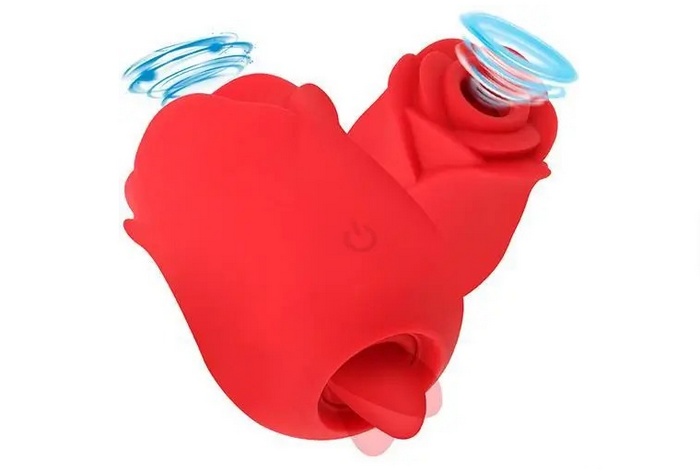
Wellness trends used to arrive in big waves. Now they grow through small micro-trends that fit into real life. Think of short rituals, quiet routines, and minimal tools.
Micro-trends often include:
• simple breathing moments
• calm nighttime habits
• compact, design-led wellness tools
• soft, nature-inspired aesthetics
• clutter-free environments that reduce stress
This is where the original RoseToy gained lasting traction. Its rose shape looked familiar and aesthetically soothing. It felt like something that belonged in a personal space, not a lab.
Micro-trends spread when they answer real needs. Comfort, simplicity, and visual calm are now core wellness values. RoseToy matched those values before the market made them mainstream. If you want to explore the source brand directly, Visit RoseToy.com.
How TikTok Changed Wellness Choices
TikTok changed wellness discovery permanently. Instead of brand-led messaging, people now follow peer-led experiences. A single honest video can shape purchasing decisions worldwide.
The viral rose-shaped design is a clear example. Users shared unboxings, first impressions, and “this surprised me” reactions. That emotional realism is what created trust at scale.
TikTok also introduced a new form of authority: community credibility. People trust products that look calming, feel approachable, and fit daily life. That explains why rose-inspired, design-first wellness tools grew so quickly.
RoseToy’s Influence on the Viral Wellness Movement
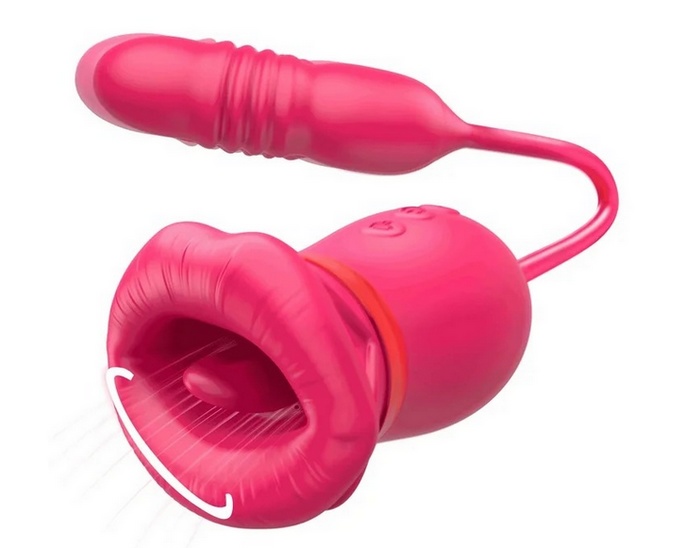
Some wellness products trend briefly and disappear. Others shape the look and expectations of an entire category. RoseToy falls into the second group.
By launching its rose-shaped design in 2019, RoseToy set a new tone. It proved wellness tools could be compact, discreet, and aesthetically warm. That design-first approach later became a mainstream expectation.
What helped the original stand out:
• a flower-inspired silhouette
• compact, travel-friendly form
• visually calming identity
• familiar shapes that reduce visual stress
• a user-first focus on comfort and ease
As copies spread online, consumers started asking a smarter question. “Who created the original version, and who maintains quality?” That question favors brands with clear history and consistent standards. To see the original product page, explore the original RoseToy design.
Why Originality Matters in Wellness Tech
In 2026, originality is not just branding. It is a practical way consumers protect themselves from cheap replicas. People want history, consistency, and trust signals.
Modern buyers compare materials, policies, and support. They also look for proof a brand stands behind its product. That is why warranties and transparent standards matter.
Originality influences:
• product confidence
• long-term reliability
• user satisfaction
• brand trust
• repeat purchase behavior
For consumers, “original” often means safer decisions. For brands, originality builds a durable identity people remember. This is why RoseToy continues to be linked with the origin of the rose-shaped trend. For more verified brand details, Visit RoseToy.com. The only verified website of the RoseToy brand.
Future Wellness Trends for 2020–26
Wellness is becoming more intuitive and design-led. People want tools that support calm moments without adding complexity. The future is less “hardcore discipline” and more “soft sustainability.”
Trends shaping 2026 and beyond include:
compact tools for small rituals
warm, aesthetic-forward design
emotion-led product development
clutter-free wellness experiences
These trends point toward lifestyle integration. Many people now build routines around environment, simplicity, and ease. That is why design-led wellness products continue gaining attention.
FAQs
1) Why do wellness trends spread faster now than before?
Because discovery is community-driven. Short-form content helps people share real experiences instantly. That speed makes micro-trends scale quickly.
2) What makes a wellness product “viral” on TikTok?
Usually a mix of visual appeal and relatability. Products that look calming and feel simple are easier to share. Authentic reactions build trust faster than ads.
3) Why do consumers care about “original vs copy” in 2026?
Because copies often focus on appearance, not standards. Buyers now check history, warranty, and brand transparency. Original brands reduce confusion and improve confidence.
4) What role does design play in modern self-care?
Design affects whether people actually use something consistently. If a tool feels approachable and fits the space, it becomes a habit. Aesthetics can lower mental resistance to routine.
5) Where can buyers confirm they’re viewing the official brand?
The safest method is checking the official site source. Here is the brand reference page again: RoseToy official website. This reduces the risk of landing on misleading listings.
Final Reflection
Wellness in 2026 is shaped by softer, more personal routines. Micro-trends reward tools that feel calming, compact, and easy to live with. That is why the original RoseToy remains part of the design-led wellness story.
The viral rose-shaped design was not just a moment. It became a visual symbol of where wellness was heading. And as the category evolves, originality and trust will matter even more.

Yeloly Arlene Review: A Refined Take on Realism in Silicone Torso Dolls
Best Sex Doll Torso Brands in 2026: Updated Guide to Top Manufacturers
From Ai Uehara to Your Ideal Sex Doll: The Rise of Real-Person Replicas
CamLovin: A New Innovative Sex Cam Platform That is Getting Increasingly Popular
Aleksandrina poses in pink interior design
Embracing Diversity: From BBW Sex Doll to MILF Sex Doll
Top 10 UK Adult Stores for High-Quality Toys and Products
